
Carpentry Services in Sacramento, CA
Carpentry services usually get called in once something stops lining up the way it should. In Sacramento homes, that might be a door that won’t close cleanly, trim that never sat flush, or framing that starts to show its age after years of settling. Most of the time, the issue isn’t obvious at first glance. You feel it before you see it.
At Statewide General Renovations, residential carpentry work often means correcting what’s underneath before adding anything new.
Why Carpentry Work Comes Up So Often in Sacramento Homes
A lot of Sacramento houses have been altered more than once. Additions, remodels, quick fixes. Each one leaves its mark. Over time, those changes stack up, and things stop fitting the way they should.
Custom carpentry gets requested once homeowners realize standard fixes won’t solve uneven walls or inconsistent framing. Interior carpentry becomes necessary when finishes won’t sit right because the structure underneath was never corrected.
Where We Usually See Carpentry Problems Start
Most carpentry issues don’t start at the surface. They start with framing that’s slightly off or repairs that were rushed. Rough carpentry done years ago might still be holding, but it was never square to begin with.
Trim and molding installation shows these issues clearly. Gaps open up. Lines wander. Finish carpentry highlights problems that rough framing tried to hide. Sacramento homes, especially older ones, tend to reveal these layers once work begins.
How We Approach Residential Carpentry Projects
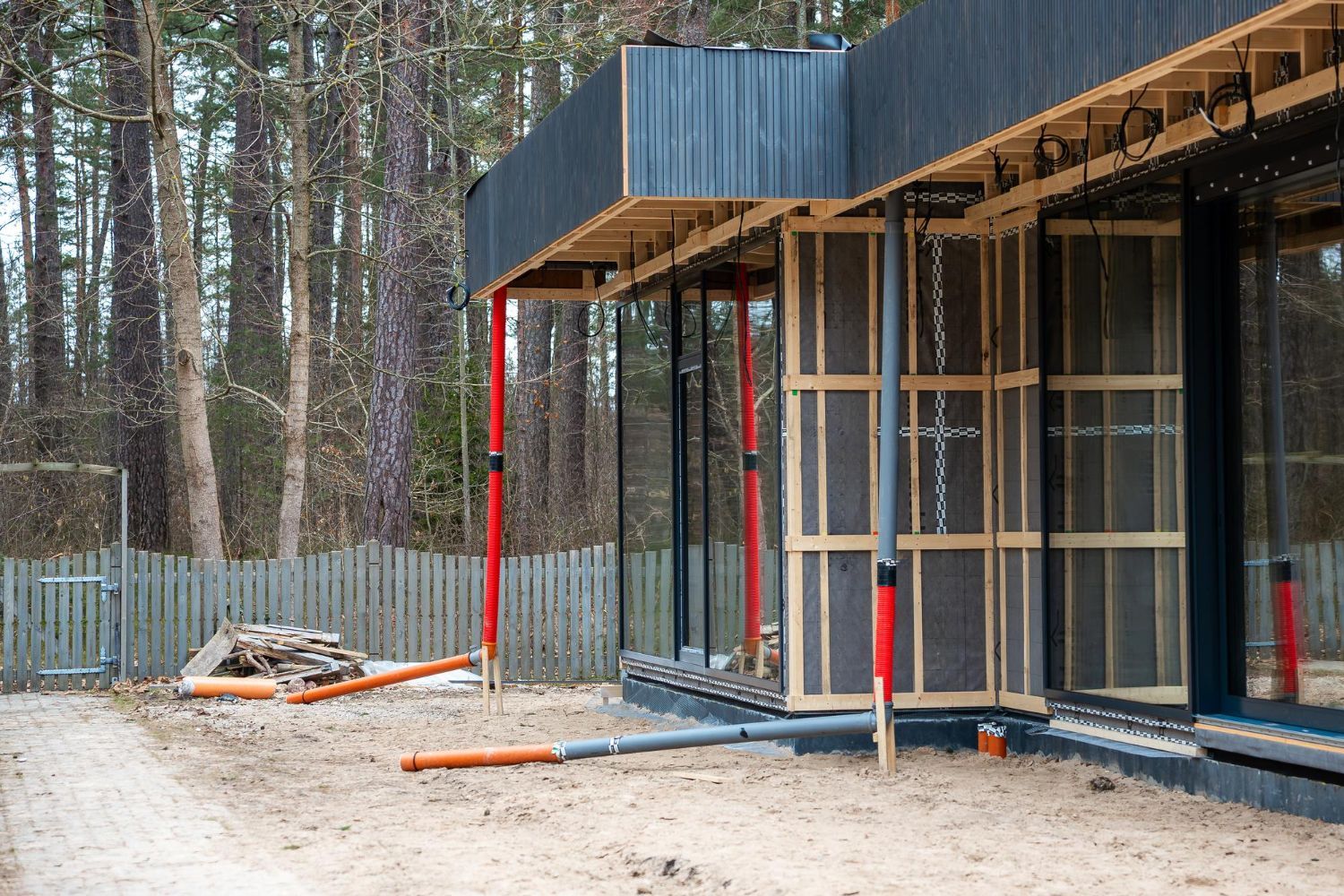
Carpentry isn’t about forcing materials to fit. It’s about adjusting the structure so everything works together. That usually means slowing down early instead of fighting problems later.
At Statewide General Renovations, carpentry services start with checking levels, spans, and connections. Framing carpentry comes first when needed. Finishing work only happens once the structure supports it. Otherwise, the same problems resurface.
Carpentry Services We Provide in Sacramento
Most home carpentry repairs and upgrades fall into a few categories:
Residential carpentry for structural and finish corrections
Custom carpentry for non-standard layouts or additions
Interior carpentry involving doors, openings, and built-ins
Finish carpentry for trim, casing, and detail work
Rough carpentry tied to framing and support changes
Trim and molding installation once walls and floors are true
Each one depends on what’s already there. Assuming consistency usually causes delays.
How Previous Remodels Complicate Carpentry Work
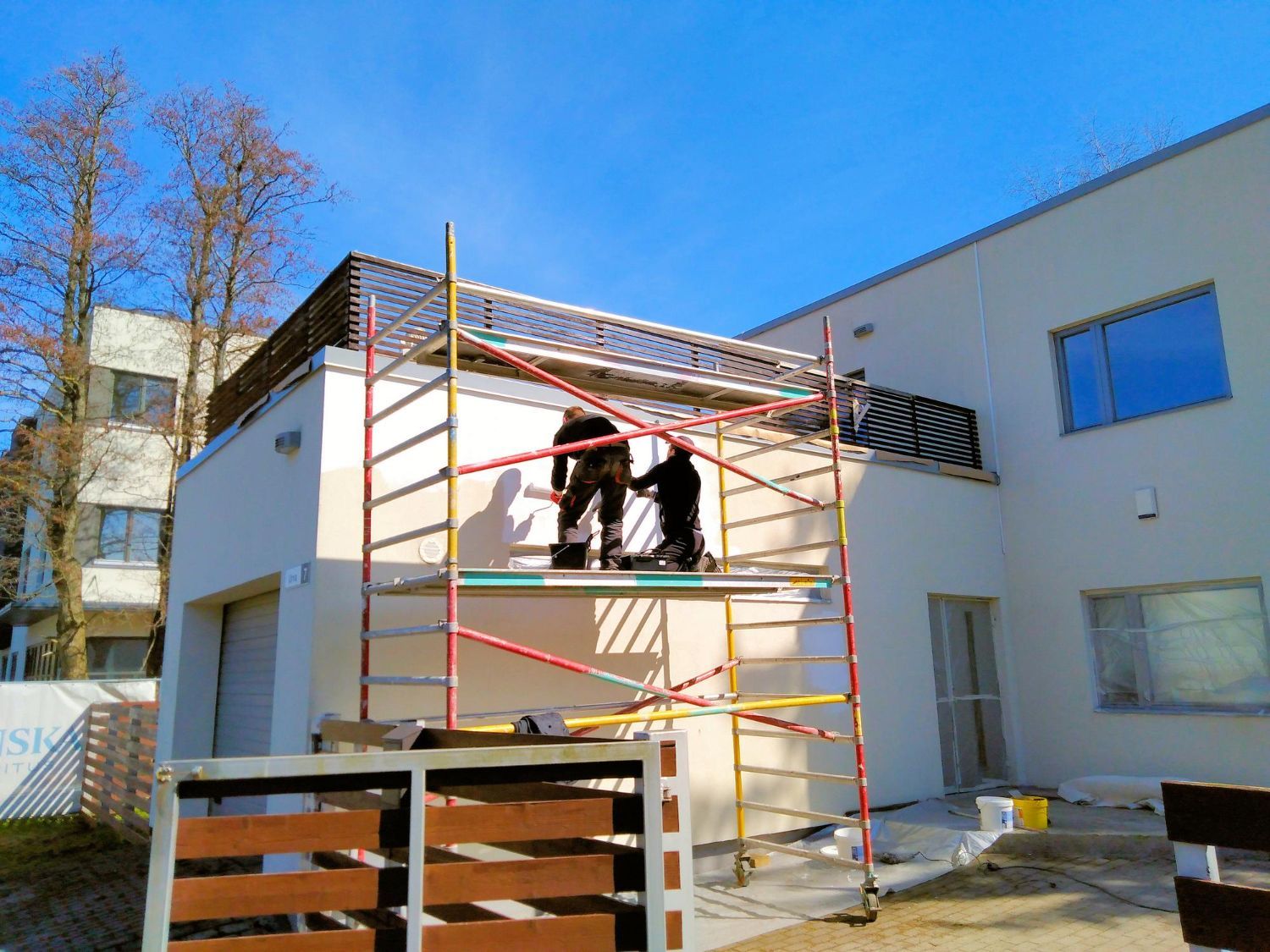
A lot of carpentry services in Sacramento start by undoing something else. Old additions framed slightly off. Walls moved without adjusting load paths. Finish work was added before rough carpentry was corrected.
Residential carpentry gets harder when these layers stack up. Custom carpentry becomes necessary not for looks, but to make mismatched sections line up again. Interior carpentry often reveals where trim and molding installation was used to hide framing issues instead of fixing them. That usually shows up once new work starts tying into old.
Framing Issues We Commonly Uncover
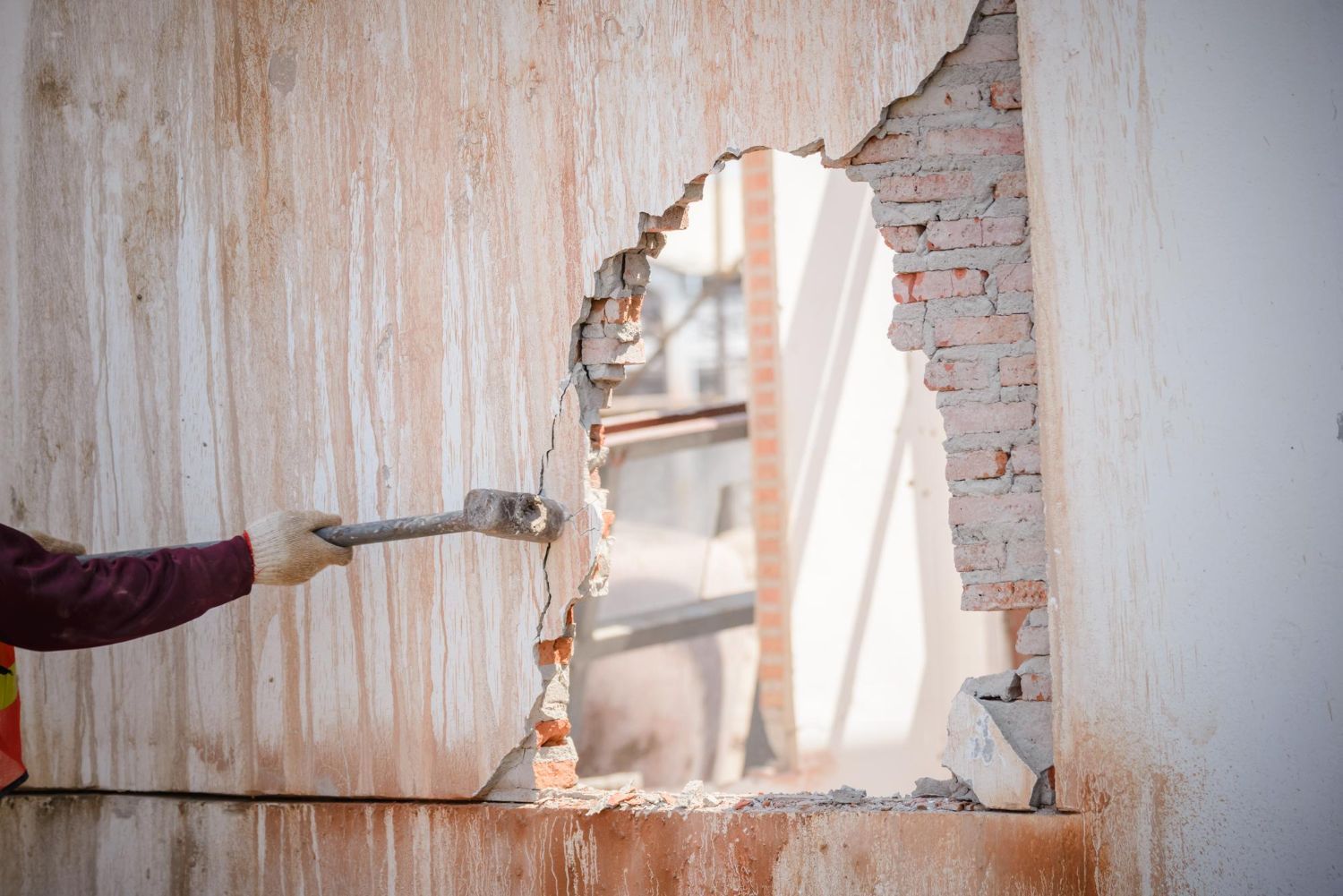
Once walls or ceilings open up, framing tells the real story. Stud spacing that changes mid-wall. Headers that were undersized. Repairs layered over repairs.
Framing carpentry in Sacramento often involves correcting older methods that don’t meet current expectations. Home carpentry repairs work best when these issues are addressed before finishes go on. Most people don’t notice them until doors stop closing or cracks reappear.
Finish Carpentry That Actually Holds Its Lines
Finish carpentry only looks good when the structure underneath cooperates. Crooked walls make straight trim impossible. Uneven floors telegraph through baseboards and cabinets.
Woodwork services last longer when small adjustments are made during installation instead of forcing tight joints. In Sacramento homes, interior carpentry often requires subtle corrections so trim and moldings don’t fight the building over time.
Common Carpentry Mistakes We’re Asked to Fix
Most mistakes come from trying to rush to finish work. Installing trim before floors settle. Hanging doors before framing is corrected. Skipping shims where they matter.
Home carpentry repairs frequently involve undoing work that technically passed inspection but never fit well. Custom carpentry avoids this by addressing alignment early instead of covering it up.
Why Settling and Heat Movement Matter in Sacramento Homes
Sacramento buildings move more than people expect. Heat expansion, older foundations, and long dry seasons all contribute. Framing carpentry that looked fine years ago can slowly shift just enough to affect doors, trim, and built-ins.
Home carpentry repairs often deal with these small movements after the fact. Finish carpentry tends to show stress first—open joints, misaligned corners, and gaps that keep coming back.
Woodwork services last longer when allowances are made for movement instead of forcing everything tight and hoping it stays put.
How Older Construction Impacts Carpentry Work
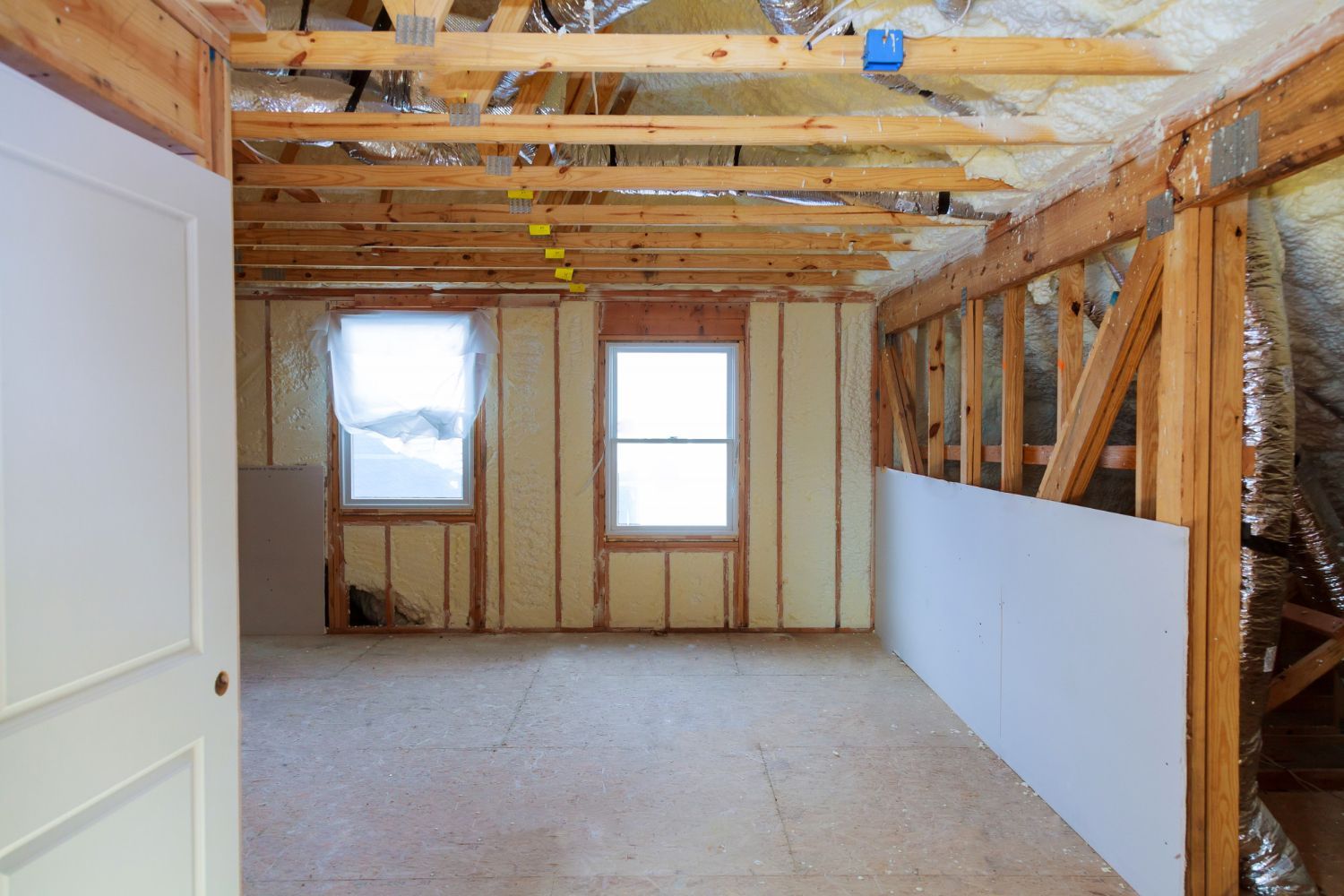
Older Sacramento homes weren’t built to modern tolerances. Lumber sizes vary. Walls drift. Floors slope just enough to matter.
Residential carpentry needs to respond to those conditions instead of fighting them. Rough carpentry often sets the tone for everything that follows. When it’s done carefully, finish work stays cleaner longer.
When Carpentry Needs More Than a Surface Fix
Carpentry problems usually show up gradually. Gaps widen. Lines drift. Things stop feeling solid. In Sacramento homes, past remodels and settling play a big role in that. Whether the work involves framing carpentry, finish carpentry, or detailed woodwork services, addressing structure first avoids repeat issues.
Statewide General Renovations approaches residential carpentry with that order in mind, so trim and molding installation, doors, and built-ins sit correctly instead of being forced into place. It’s less about cosmetic fixes and more about making the structure cooperate again. For more details, call us today!
Carpentry FAQs
What’s the difference between rough and finish carpentry?
Rough carpentry focuses on structure & support. Finish carpentry deals with visible details.
Can carpentry fix doors that won’t close properly?
Usually, yes. The cause is often framing or settling, not the door itself.
Is custom carpentry more expensive than standard repairs?
It depends on the situation. Custom work often prevents repeat fixes later.
Do carpentry projects require permits in Sacramento?
Structural changes usually do. Smaller interior work may not.
How long do home carpentry repairs usually take?
Timing depends on how much correction is needed beneath the surface.